
A Greener Glow for Every Piece You Love
Today we explore natural cleaning recipes and care rituals that extend furniture life and enrich your home’s green narrative. With simple ingredients like vinegar, plant oils, castile soap, baking soda, and citrus, we’ll turn routine maintenance into meaningful, low-waste habits, preserving finishes, improving indoor air, and celebrating stories etched into wood, fabric, leather, and metal. Join in, share your favorite mixture, subscribe for seasonal checklists, and help build a home that shines through mindful stewardship rather than harsh chemicals.
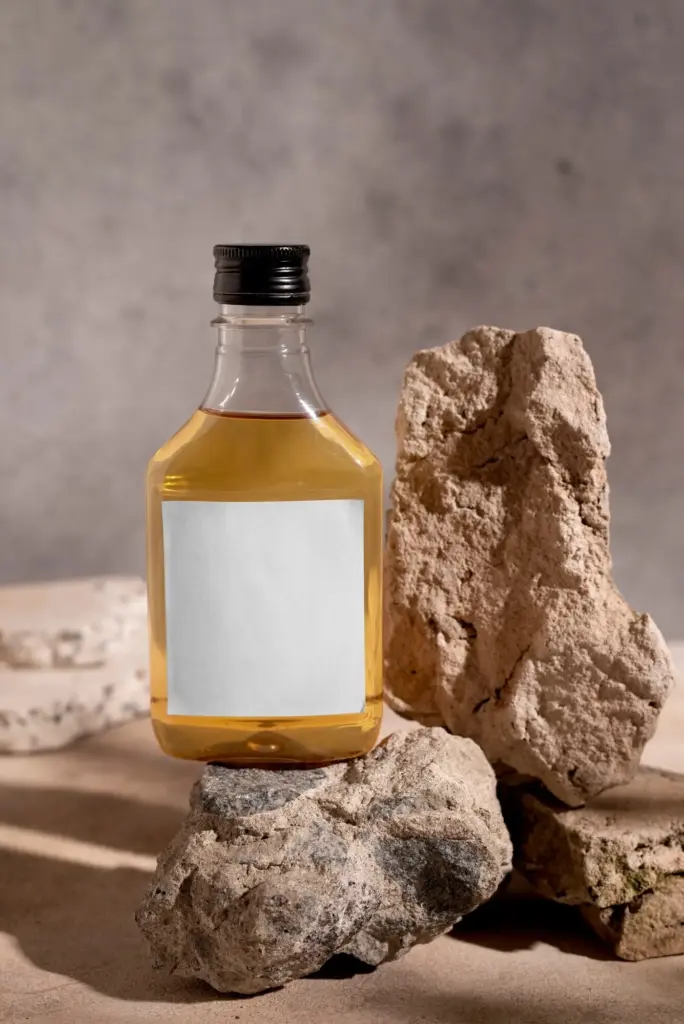

Kitchen-Cupboard Formulas that Work
Gentle, effective blends from everyday ingredients can lift grime, nourish finishes, and reduce exposure to unnecessary synthetics. Understanding pH, dilution, and finish compatibility matters as much as the recipe itself. We will keep measurements practical, emphasize patch tests, and show how smart technique outperforms brute force. Refill glass bottles, label clearly, and savor the satisfaction of a cleaner space achieved with restraint, intention, and respect for both your furniture and your indoor environment.
Daily touchpoints that prevent build-up
A quick sweep with a dry microfiber cloth removes abrasive grit before it etches finishes. Set coasters within reach and train the household to use them, reducing rings before they happen. Hang a soft brush by the entry to whisk dust from chair rungs after shoes kick it up. Crack a window during quick tidy-ups to flush odors and airborne particles. These tiny checkpoints, repeated, create outsized protection while taking less time than searching for harsh fixes later.
A weekly circuit that keeps pieces balanced
Choose a reliable day and loop through rooms with intention: rotate sofa cushions, flip seat pads, and vacuum upholstery seams before crumbs abrade fibers. Inspect loose bolts or wobbly legs, tightening with care. Wipe handprints from doors and chair backs with a lightly damp cloth, then immediately dry. Brush leather with a soft cloth to redistribute natural oils. This gentle circuit maintains structure, halts uneven wear patterns, and transforms maintenance into a calming ritual you can actually look forward to completing.
Seasonal deep care with patience, not harshness
In spring and autumn, condition wood sparingly, wax only when the finish calls for it, and allow ample curing time before setting objects back in place. Move furniture away from heating or cooling blasts to rebalance humidity. Wash slipcovers according to fabric guidance, line-dry to protect fibers, and steam lightly for crispness. Evaluate sun exposure; rearrange or add sheers to prevent fading. Celebrate progress with photos, notes, and a cup of tea, turning methodical care into memory-making moments.
Materials Masterclass for Lasting Beauty
Oak and walnut tolerate gentle soap flakes dissolved in warm water for rare deep cleaning, provided cloths are wrung nearly dry and surfaces dried quickly. Avoid soaking edges or joints where water can swell fibers. Oil-finished pieces appreciate a light, thin conditioner, while polyurethane prefers simple dusting. Keep humidity steady between forty and fifty-five percent to prevent cracking or cupping. Record product names and dates used so future touch-ups remain consistent, cumulative, and respectful of the original craftsmanship.
Vacuum crevices with a soft brush and wipe surfaces using a barely damp cloth, then dry immediately. When needed, apply a pea-sized amount of leather balm or a dilute conditioner, allowing time to absorb fully before buffing to a soft sheen. Keep away from radiators and strong sun to prevent dryness and color shift. Test for dye transfer with a white cloth first. A monthly ten-minute check preserves suppleness, avoids heavy-handed treatments, and honors the hide’s natural character beautifully.
Brass with intact lacquer prefers a dust-only routine; unlacquered brass can be polished sparingly with a mild, homemade paste of flour, salt, and vinegar, then thoroughly rinsed and dried. Marble and limestone need pH-neutral cleaners and immediate blotting of acidic spills. For mixed pieces, isolate materials during cleaning to prevent cross-reactions, using separate cloths. Always dry metal hardware to deter corrosion, and cushion stone with felt coasters. A careful, segmented approach protects each component without compromising the whole.
Your Home’s Green Narrative, Lived Daily
Sustainable care is more than spotless surfaces; it is a story about what you value and how you steward resources. Choosing gentle formulas reduces volatile organic compounds, limits plastic waste through refills, and preserves the longevity embedded in well-made pieces. Teaching these habits to children or housemates turns chores into shared purpose. Track progress, celebrate repairs over replacements, and curate a modest kit that works hard. Invite conversation, swap ideas with neighbors, and watch your living spaces reflect thoughtful continuity.
Troubleshooting and Gentle Restorations
When mishaps strike, a calm, stepwise approach protects finishes and your nerves. Begin with the least aggressive option, document attempts, and escalate only as needed. Water rings, heat marks, ink stains, and musty odors often yield to simple methods applied patiently. Tighten joints carefully, support vulnerable areas, and respect patina rather than erasing history. When in doubt, consult a professional, especially with antiques or veneered surfaces. Your aim is recovery with dignity, not pristine perfection at any cost.
Stains and rings handled with patience
Try a warm iron over a cotton cloth to coax moisture from white heat marks, moving steadily and checking frequently. For faint water rings on sealed wood, a thin film of mineral oil or mayonnaise can sometimes rebalance sheen; buff gently afterward. Ink responds to isopropyl alcohol on a cotton swab applied sparingly. Avoid aggressive sanding that compromises finish or veneer. Patch test every method in a hidden area and photograph results to guide future, wiser decisions.
Odors, mildew, and the case for airflow
Sunlight and moving air are allies against mustiness; place drawers outside in shade for an hour, allowing odors to dissipate without baking finishes. Sprinkle baking soda, wait, and vacuum thoroughly. For mildew on non-porous surfaces, wipe with diluted vinegar and dry completely. On fabrics, choose enzyme-based sprays or professional cleaning for persistent issues. Consider a HEPA vacuum and a dehumidifier to keep moisture in check. Never mask smells with heavy fragrances; remove the cause and celebrate the genuine freshness.
Wobbles, joints, and hardware sanity checks
Support the piece before tightening anything, protecting surfaces with towels. Re-seat screws carefully, avoid over-torque, and replace stripped hardware with matching length and gauge. For traditional joinery, reversible adhesives like hide glue maintain future repairability. Add felt pads under legs to prevent racking and protect floors. Label removed hardware in small envelopes to avoid confusion. With measured steps and the right tools, stability returns gracefully, sidestepping costly replacements and honoring the original maker’s intent and engineering.


Tools, Storage, and Safety for Peace of Mind
A well-chosen, compact kit empowers consistent, low-waste care while keeping your household safe. Stock reusable cloths, soft brushes, glass spray bottles, funnels, labels, and a small measuring set. Store ingredients out of reach of children and pets, never mix vinegar with bleach or ammonia, and always ventilate. Wear gloves when needed, mind essential oil sensitivities, and test on inconspicuous areas first. Clear systems reduce guesswork, reinforce routines, and ensure a serene, practical path toward enduring, earth-friendly upkeep.
All Rights Reserved.